Blue Farm Table Home

Category

Food Transparency

22 articles

The Hands in the Harvest: What an H-2A Visa Means for the Farm on Your Label

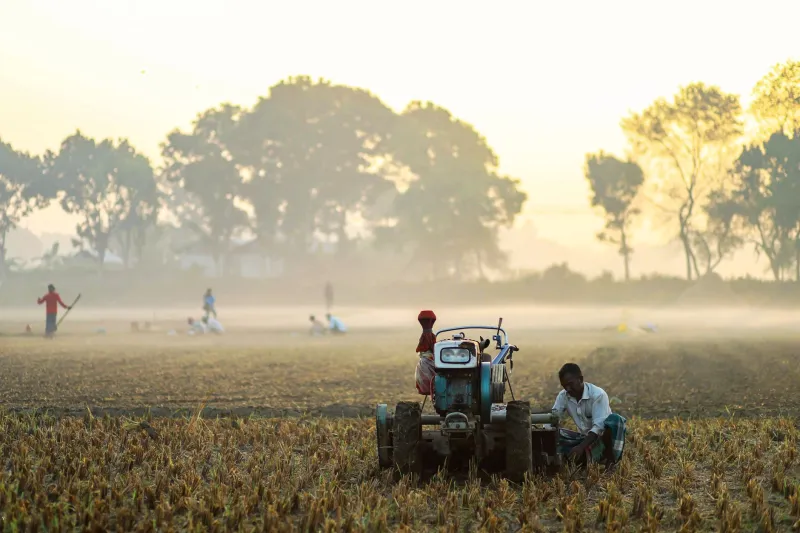
The Hands in the Harvest: What an H-2A Visa Means for the Farm on Your Label

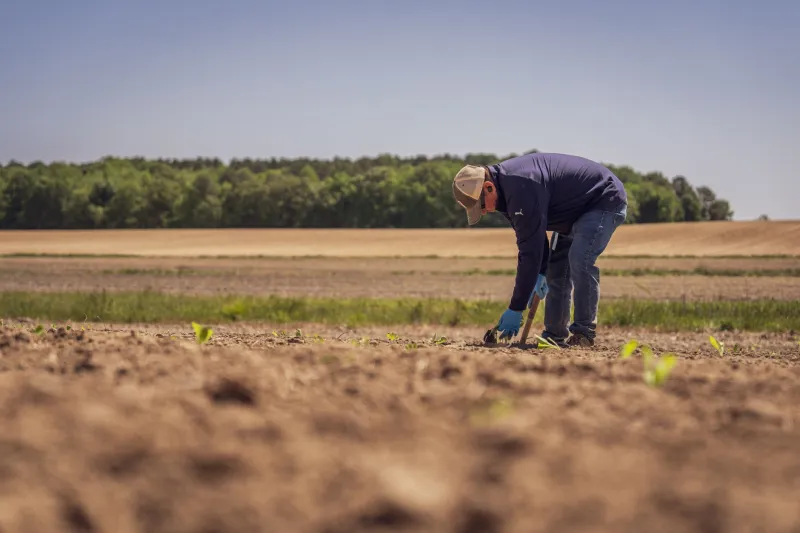
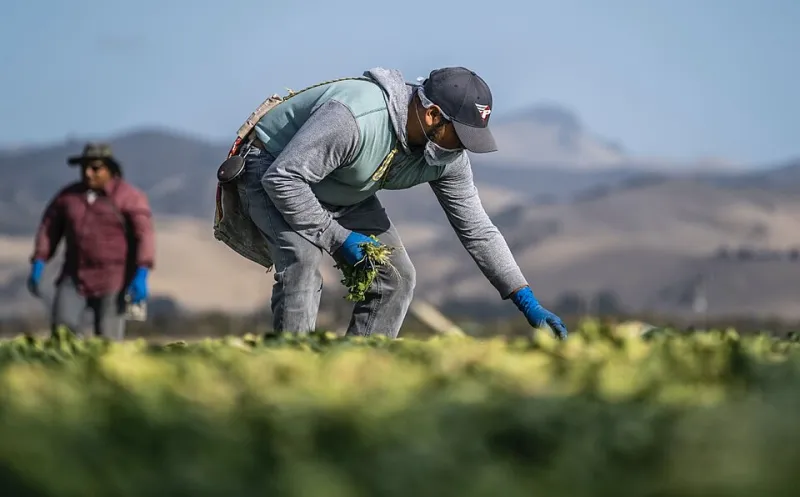
The H-2A guest worker program supplies a growing share of the labor on US fruit and vegetable farms, including operations that market themselves as ethical and local. Wage rules, housing requirements, and paperwork shape what farmers can honestly claim. Here is what consumers should understand about the hands that pick the produce.
That Charming Red Barn on the Label Is Owned by a Private Equity Firm

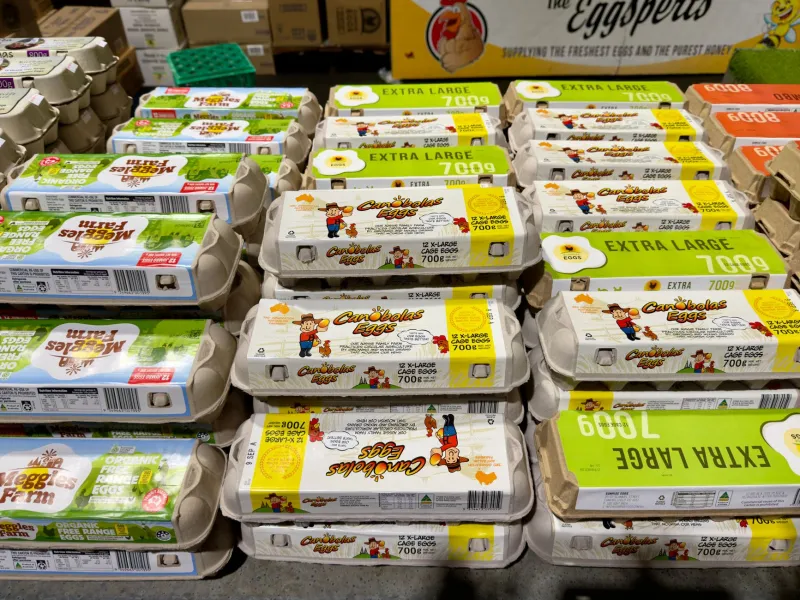
That Charming Red Barn on the Label Is Owned by a Private Equity Firm

Hand-drawn barns, fictional grandmothers, and farm names invented in a corporate conference room: pastoral packaging has become an art form of misdirection. Here's a five-point checklist for spotting the difference between a real farm story and a really good design brief.

Underground Accounting: The Messy, Contested Science of Measuring Soil Carbon

Underground Accounting: The Messy, Contested Science of Measuring Soil Carbon

The agriculture industry has made soil carbon sequestration one of its biggest selling points — but the science of actually measuring what's happening underground is far murkier than anyone wants to admit. Competing methodologies, corporate-funded research, and a near-total absence of regulatory standards have created a system where almost any farm can make almost any claim. Here's what's really going on beneath your feet.

The Hidden Labor Problem Inside Your Favorite Farmers Market

The Hidden Labor Problem Inside Your Favorite Farmers Market

Buying local and organic feels like the right thing to do — for the planet, for small farms, for your community. But there's a question the farm-to-table movement has been conspicuously slow to ask: what are the people actually picking that food getting paid? The answer is complicated, uncomfortable, and long overdue for a real conversation.

Six Companies Decide What America Eats: The Quiet Corporate Takeover of the Seed Supply

Six Companies Decide What America Eats: The Quiet Corporate Takeover of the Seed Supply

A handful of multinational corporations now control the majority of the commercial seed supply in the United States, and the ripple effects reach all the way to your dinner plate. Sustainable farmers who want to grow diverse, flavorful crops are increasingly boxed out by patent restrictions and licensing agreements designed for industrial-scale agriculture. But a quiet rebellion is taking root in seed libraries, farm networks, and kitchen gardens across the country.

Who's Really Paying for That $1 Bag of Apples? (Hint: It's You, Twice)

Who's Really Paying for That $1 Bag of Apples? (Hint: It's You, Twice)

That suspiciously affordable bag of apples at the grocery store isn't actually cheap — you've already paid for part of it through your taxes. Federal agricultural subsidies have quietly tilted the playing field for decades, propping up industrial commodity operations while leaving sustainable and regenerative farms to fend for themselves in a rigged market.

What 'Raised Without Antibiotics' Actually Means — And What It Conveniently Leaves Out

What 'Raised Without Antibiotics' Actually Means — And What It Conveniently Leaves Out

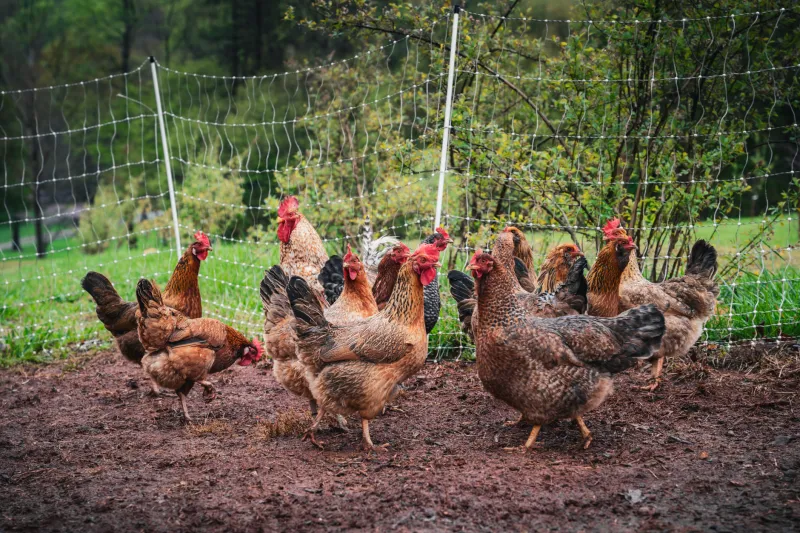
That 'no antibiotics ever' stamp on your chicken package feels reassuring — but the story behind it is messier than the label suggests. Antibiotic resistance doesn't vanish just because a farm stops using the drugs, and some marketing claims are designed more to ease your conscience than to reflect what's actually happening in the barn. Here's what the poultry industry doesn't put on the package.

Every Time You Buy Cheap Meat, You Might Be Funding a Public Health Emergency

Every Time You Buy Cheap Meat, You Might Be Funding a Public Health Emergency

Routine antibiotic use in conventional livestock operations is quietly accelerating one of the most dangerous medical crises of our time. Drug-resistant infections now kill tens of thousands of Americans every year — and the food on your plate may be part of the pipeline. Here's what's actually happening, and how to shop your way out of it.

Beyond Organic: The Farmers Who Walked Away from the Label to Do Something Better

Beyond Organic: The Farmers Who Walked Away from the Label to Do Something Better

A growing number of American farmers are quietly walking away from organic certification — not because they've lowered their standards, but because they've raised them. These growers are building living soil, sequestering carbon, and practicing regenerative agriculture that the USDA's organic rulebook simply wasn't designed to measure.

From Field to Flavorless: The Long, Costly Journey of Your Average Supermarket Tomato

From Field to Flavorless: The Long, Costly Journey of Your Average Supermarket Tomato

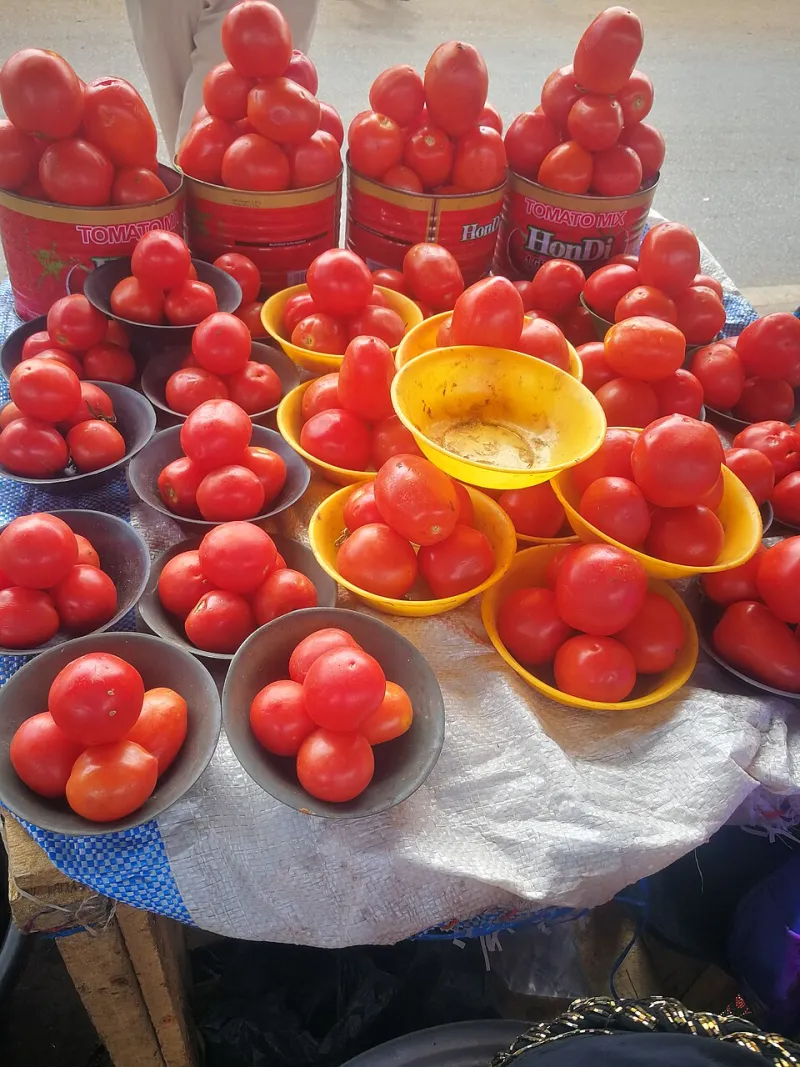
That perfectly round, perfectly red tomato sitting under the fluorescent lights of your grocery store has a story — and it's not a pretty one. Before it reached your cart, it likely crossed multiple state lines, spent days in cold storage, and shed most of the nutrition it started with. Here's what the produce aisle isn't telling you.

What the Price Tag on Those $0.99 Tomatoes Is Really Hiding

What the Price Tag on Those $0.99 Tomatoes Is Really Hiding

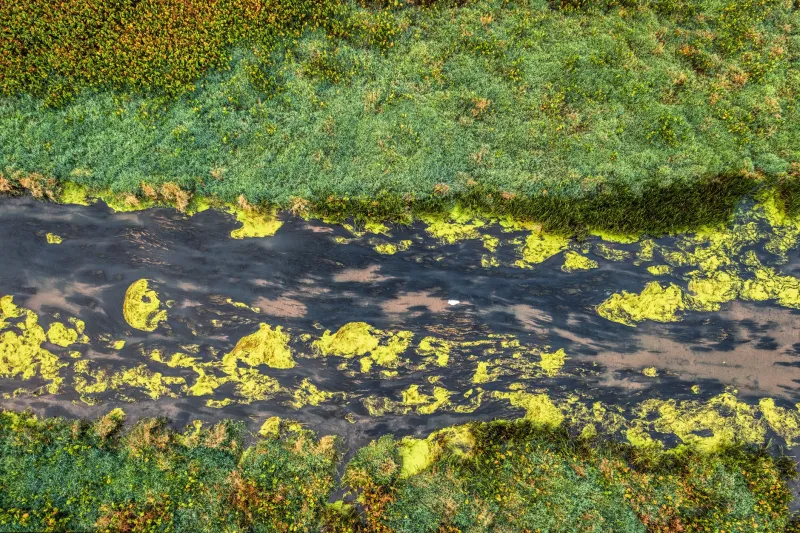
That bargain bin tomato at the grocery store looks like a win for your wallet. But when you factor in eroded topsoil, drained aquifers, and taxpayer-funded subsidies, the real price tag is staggering. Here's who's actually footing the bill.

Farmers Market or Farmers Theater? How to Spot the Real Deal at Your Local Stand

Farmers Market or Farmers Theater? How to Spot the Real Deal at Your Local Stand

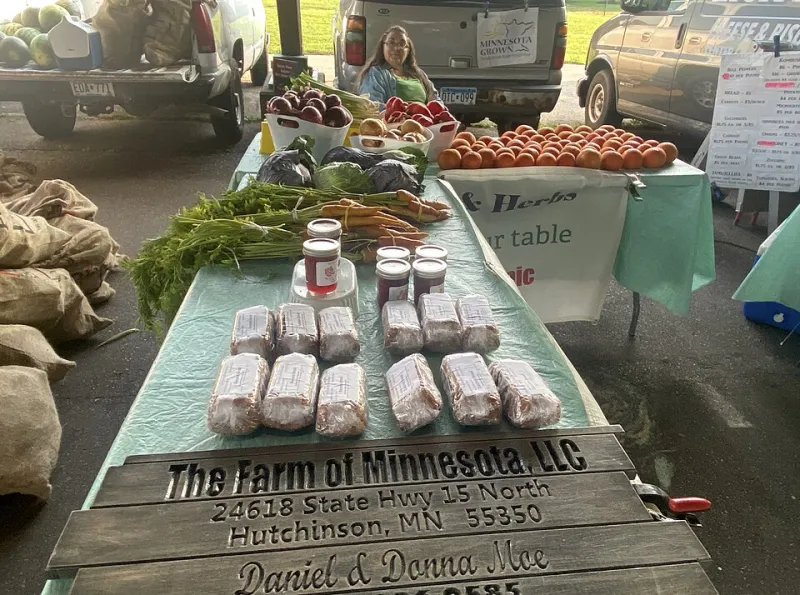
That gorgeous heirloom tomato might have traveled farther than you think before landing on that rustic wooden table. Farmers market greenwashing is more common than most shoppers realize, and the line between 'locally grown' and 'locally sold' is blurrier than it should be. Here's how to ask the right questions and find vendors who are actually walking the walk.